Summer 1 - Epic Explorers
This half term, Chinook Class will be embarking on an exciting new learning journey as we dive into our topic: Epic Explorers. Throughout the term, we will step into the shoes of some of history’s most remarkable adventurers, discovering the bravery, curiosity and determination that drove them to push the boundaries of the known world. From venturing into the vastness of space with Neil Armstrong to navigating the icy extremes with Ernest Shackleton, we will explore the triumphs, challenges and extraordinary achievements of these iconic explorers.

Our learning will be richly connected across the curriculum, allowing children to investigate the science of space, understand historical events, build technical skills in design, develop their writing through inspiring texts and work collaboratively through physical and creative activities. The theme of exploration will weave through our lessons, encouraging pupils to ask questions, think deeply and embrace the spirit of discovery.
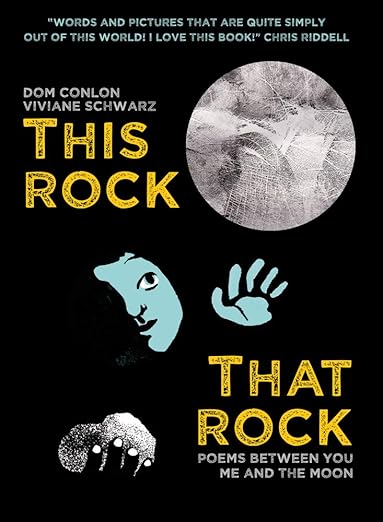
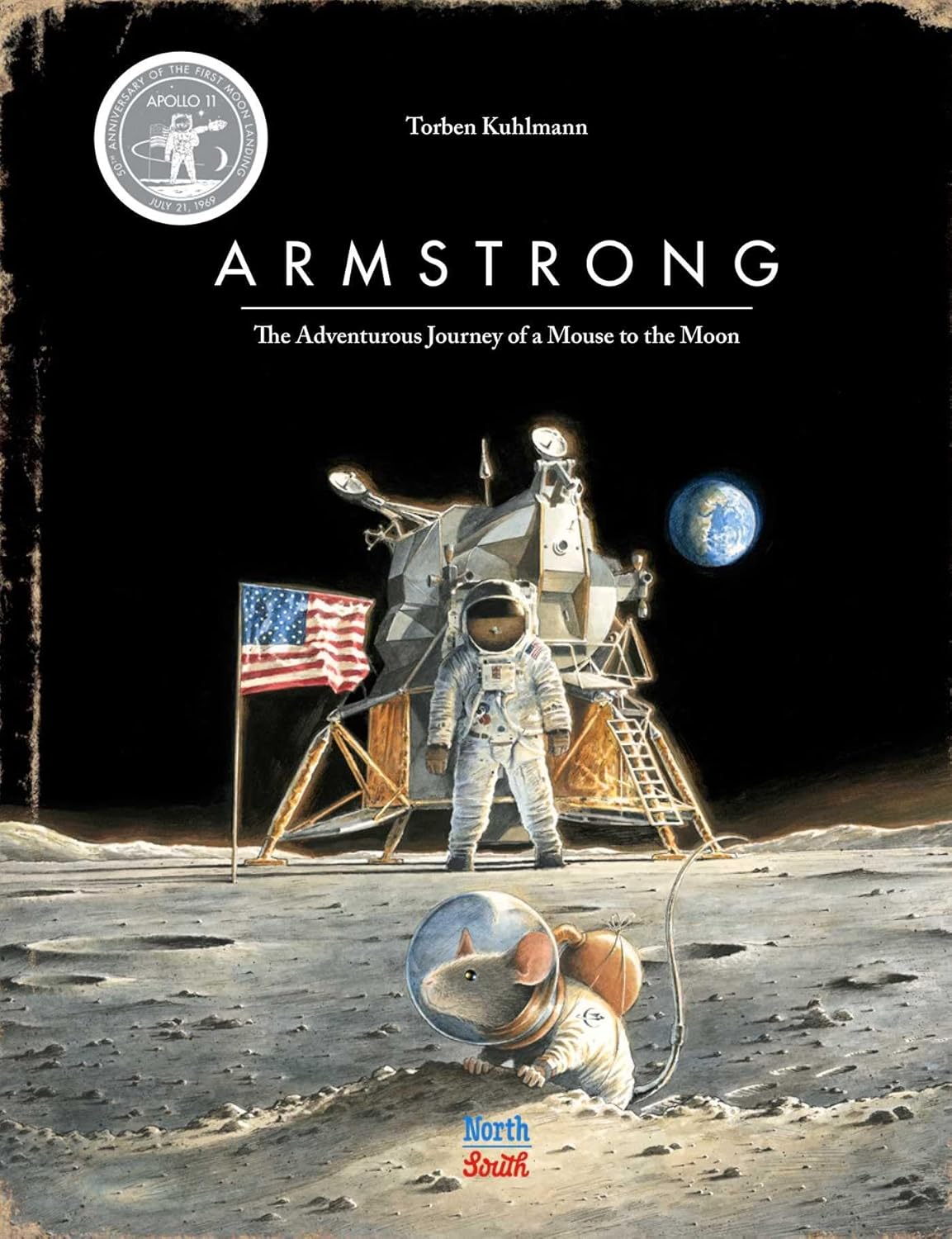
In English, this term, children will explore persuasive writing and biography through two engaging texts: This Rock, That Rock and Armstrong: The Tale of a Mouse. They will analyse how writers use language to influence and inspire, then craft their own persuasive pieces with clear viewpoints and strong arguments.
Through studying Armstrong, we will learn to present real-life events in an engaging and informative way. These imaginative books will strengthen reading comprehension, writing stamina and the ability to write for purpose and audience.
As part of our learning, we will also be diving into our class reader, The Polar Bear Explorers’ Club. This magical adventure story will whisk the children away to icy kingdoms, daring expeditions and extraordinary creatures, helping to spark imagination, deepen understanding of what makes a great explorer and allow us to draw parallels between fictional expeditions and the real historical journeys we are studying.
 .
.  In Maths, Year 5 will be exploring shape and geometry, including measuring, drawing and calculating angles. They will learn the properties of regular and irregular polygons, investigate 3D shapes and develop their understanding of position and direction, including working with negative numbers. Practical activities, problem‑solving tasks and visual models will play a key role in deepening understanding and supporting mathematical reasoning.
Year 6 will continue to consolidate their understanding of fractions, decimals and percentages, comparing, ordering and converting between each form. Alongside this, pupils will further develop their confidence in applying methods to multi‑step and real‑life problems, strengthening both accuracy and reasoning.
As we move closer to SATs, the children will have regular opportunities to revisit previous learning through short, focused revision tasks and low‑stress practice questions. These sessions are designed to build confidence, reinforce key strategies and help children recognise the types of questions they may encounter. We ensure that revision is calm, structured and supportive, encouraging children to take pride in the progress they have already made. There will be plenty of time for guided practice, discussion of methods and celebrating small wins along the way, helping pupils feel well‑prepared and positive about the challenges ahead.
This term in Science, we will become space explorers as we delve deeply into the fascinating topic of Space. Building on their natural curiosity, we will investigate some of the biggest questions humans have ever asked: How does our solar system work? What causes day and night? Why does the Moon seem to change shape?
We will study the movement of the Earth and the other planets relative to the Sun, gaining a secure understanding of our solar system’s structure. we will explore how the Moon orbits the Earth, helping to understand why the Moon appears different across the month. Using models, practical demonstrations and simple simulations, we will develop clear visual explanations to support these tricky concepts.
A key part of this unit involves investigating the Earth’s rotation, discovering how it creates day and night and why the Sun appears to move across the sky. Children will use enquiry skills to make predictions, test ideas using torches and globes and record what they notice.
Throughout the topic, we will:
- ask scientific questions and discuss their ideas
- use evidence to explain natural phenomena
- compare their findings with scientific theories
- practise using diagrams, labelled models and written explanations
We will also take time to think about the achievements of real‑life space explorers and scientists - linking beautifully with our work on Neil Armstrong. We will consider how human exploration has shaped our understanding of the universe and how scientific discoveries continue to evolve.
 .
.  .
. 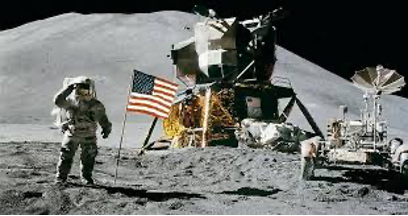
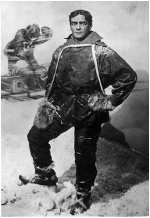
In History this term, we are exploring the incredible journeys of and Neil Armstrong and Ernest Shackleton two explorers who pushed the limits of human courage and discovery. We will learn about the very different environments they travelled to - the freezing Antarctic and the vast expanse of space - and compare the challenges each explorer faced.
Using a range of sources such as photographs, short texts and simple evidence, we will ask questions, spot similarities and differences and think about how we know what happened in the past. We will also consider why these explorers are remembered today and how their achievements changed our understanding of the world.
This unit links closely with our class reader and our wider theme of exploration, helping us recognise the bravery, teamwork and determination that have shaped many important journeys through history.
Throughout this topic, we will:
- identify contrasts and connections between the time periods
- explore achievements through books, information texts and online sources
- consider the impact of these significant events on people at the time
- practise historical enquiry by examining evidence and evaluating source reliability
In French this half term, we are learning vocabulary linked to towns and buildings, practising how to ask for and give directions. We will use this language in simple conversations and short role‑plays to help us build confidence in speaking and listening.
Later in the unit, we will explore how to talk about healthy lifestyles, including food, drink, sports and activities. This will help us understand how to form simple sentences, make choices and express opinions in French.
This term in PSHCE, we are focusing on the theme of Relationships. We will be learning how to build positive friendships, how to solve problems when they arise, and what helps us feel safe, respected and included. We will also explore how our actions can help others feel part of a group and how we can support one another when we feel upset or unsure.
We will learn:
- how to make and maintain friendships
- strategies for solving friendship difficulties
- what makes a positive relationship
- how to show respect and ensure everyone feels included
- how to manage feelings, especially during moments of upset
In Computing this term, we are using 2Code to deepen our understanding of how programming works. We will be learning what a function is, how it can be used in code, and why it helps make programs more efficient and easier to read. As we work through different challenges, we will practise reading code carefully, predicting what will happen, and then testing our ideas.
We will also be developing our debugging skills by identifying errors, fixing them and improving our programs step by step. As our confidence grows, we will explore how to simplify code, organise our ideas more clearly and create sequences that run smoothly and efficiently.
This unit helps us build logical thinking, problem‑solving skills and resilience — all essential qualities for confident coders.
In Music, we will continue learning to play brass instruments. We are working on posture and breathing, reading simple notation and playing together as an ensemble. As we rehearse, we will develop confidence, control and expression, learning how to perform with accuracy and a sense of musicality. These skills will help us listen carefully, support one another and enjoy making music as a group.
In PE this term, we will be taking part in a range of activities inspired by the Commonwealth Games, including lawn bowls and rhythmic gymnastics. These sessions will help us develop coordination, balance, teamwork and an understanding of how different sports require different skills.
Year 5 will continue with swimming, building confidence in the water and improving their stroke technique, breathing and stamina.
Year 6 will focus on team-building challenges where we work together, solve problems and take on different roles within a group. We will also think creatively about how games are designed, suggesting improvements and adaptations based on our knowledge of physical activity.
In Design & Technology, we are investigating gears, pulleys and levers, exploring how these mechanisms help machines move. We will then research moon buggies, linking our work to our wider exploration theme.
Using what we’ve learnt, we will design and build our own moon buggy, choosing materials and components that help it function effectively. Once completed, we will test our designs and evaluate them against our criteria, thinking about what worked well and what we could improve.